Living in Laramie County WY: What Daily Life Is Like
May 28, 2026
May 28, 2026
Wondering what daily life in Laramie County really feels like? If you are thinking about moving here, visiting with a future move in mind, or simply trying to picture the rhythm of the area, it helps to look beyond a map. Laramie County offers a mix of city convenience, open space, community tradition, and practical day-to-day livability. Let’s dive in.
Laramie County sits in southeast Wyoming, right along the borders of Nebraska and Colorado. County government describes it as being at the crossroads of two interstate highways and two railroads, which helps explain why the area feels connected without feeling crowded.
The county covers 2,685.86 square miles and has an estimated 101,783 residents in 2024. That works out to about 37.4 people per square mile, so you get a sense of space even in a county that ranks first in population in Wyoming.
That balance shapes the local lifestyle. You can run errands, get to services, and stay plugged into regional travel, while still enjoying wide-open views and a calmer pace than many larger metro areas.
Cheyenne is the capital and largest city in Wyoming, and it serves as the main hub for Laramie County. If you want the county’s strongest concentration of shopping, services, events, and public amenities, this is where much of that activity centers.
For many people, that creates a practical advantage. You can enjoy a county with plenty of space while still having access to the kind of daily conveniences that make life feel manageable and comfortable.
Cheyenne has a wide range of public amenities that give it a full-service municipal feel. The City of Cheyenne lists aquatics, botanic gardens, civic center programming, golf, ice and event facilities, parks, recreation programming, weed and pest services, and greenway paths.
That variety matters in everyday life. It means your week can include a walk on a greenway path, time at a park, a recreation program, or a local event without needing to leave town.
Community partnerships also help strengthen the local experience. County community partners include the library, health department, both school districts, LCCC, the city, and Visit Cheyenne, which points to a well-connected local network of services and programs.
Transportation is another part of what makes Laramie County feel livable. Cheyenne sits at the junction of I-25 and I-80, and Visit Cheyenne notes that Denver International Airport is about 90 minutes away.
For regional air service, Cheyenne Regional Airport says United offers daily flights from CYS to Denver. The City of Cheyenne also maintains a transit program, which adds another local option for getting around.
Census data show an average commute time of 17.9 minutes. For many residents, that suggests day-to-day travel is manageable, whether you are heading to work, school, appointments, or activities across town.
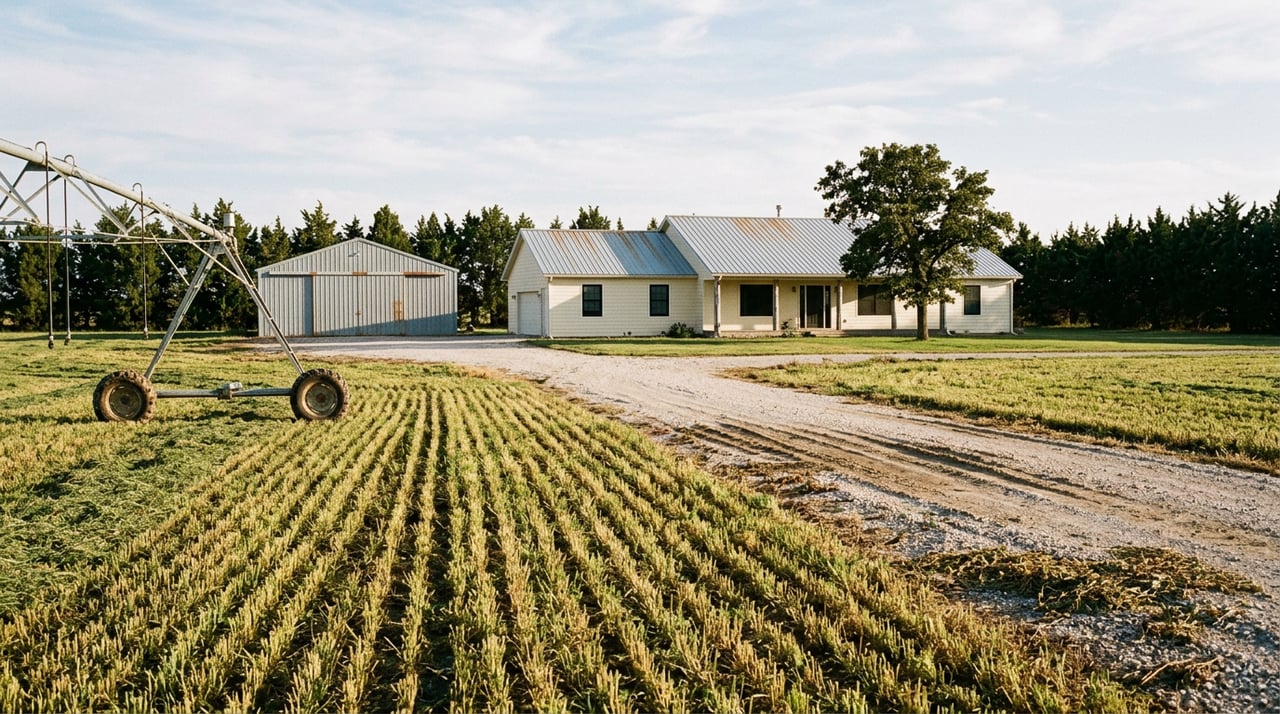
Step outside the Cheyenne core, and Laramie County starts to feel very different. County planning materials describe a landscape where rolling grasslands meet the foothills of the Southern Laramie Mountains, giving the area a more open and agricultural character.
This contrast is a big part of the county’s appeal. You have the choice of more in-town living or quieter pockets that feel farther removed from city activity.
County planning materials identify incorporated towns such as Pine Bluffs, Burns, and Albin alongside the city of Cheyenne. That mix gives the county a layered identity, with one main urban center and several smaller communities surrounded by broader rural land.
In Laramie County, outdoor access is not just a weekend idea. It is often part of how people experience the area on a regular basis.
Wyoming State Parks materials place Curt Gowdy State Park about 22 miles west of Cheyenne on Crow Creek and note the Crystal and Granite Reservoirs. City recreation information also points residents toward state parks, disc golf courses, and greenway paths.
That makes it easier to build outdoor time into your routine. Depending on where you live and how you like to spend your free time, you may find that a walk, drive, trail visit, or day near the water feels naturally woven into life here.
Some places have local events. Laramie County has traditions that clearly shape how the area sees itself.
Cheyenne Frontier Days is the most visible example. The event dates back to 1897 and takes place during the last full week in July, with rodeo events, parades, concerts, Indian Village, military displays, and related programming.
Organizers say it takes more than 2,500 volunteers to produce the event. That level of participation says a lot about the county’s community spirit and the importance of shared traditions.
Frontier Days also helps define the local identity for many residents and newcomers. It blends Western heritage with a large community event calendar, creating a sense that local history and community life are still active parts of the present.
The local calendar reflects community identity in other ways too. Laramie County’s 2026 holiday schedule includes Cheyenne Day, which highlights how local traditions continue to show up in civic life.
The sheriff’s office also describes National Night Out as an annual community-building campaign focused on neighborhood camaraderie and public safety. Together, these examples suggest that community connection is not limited to a single season.
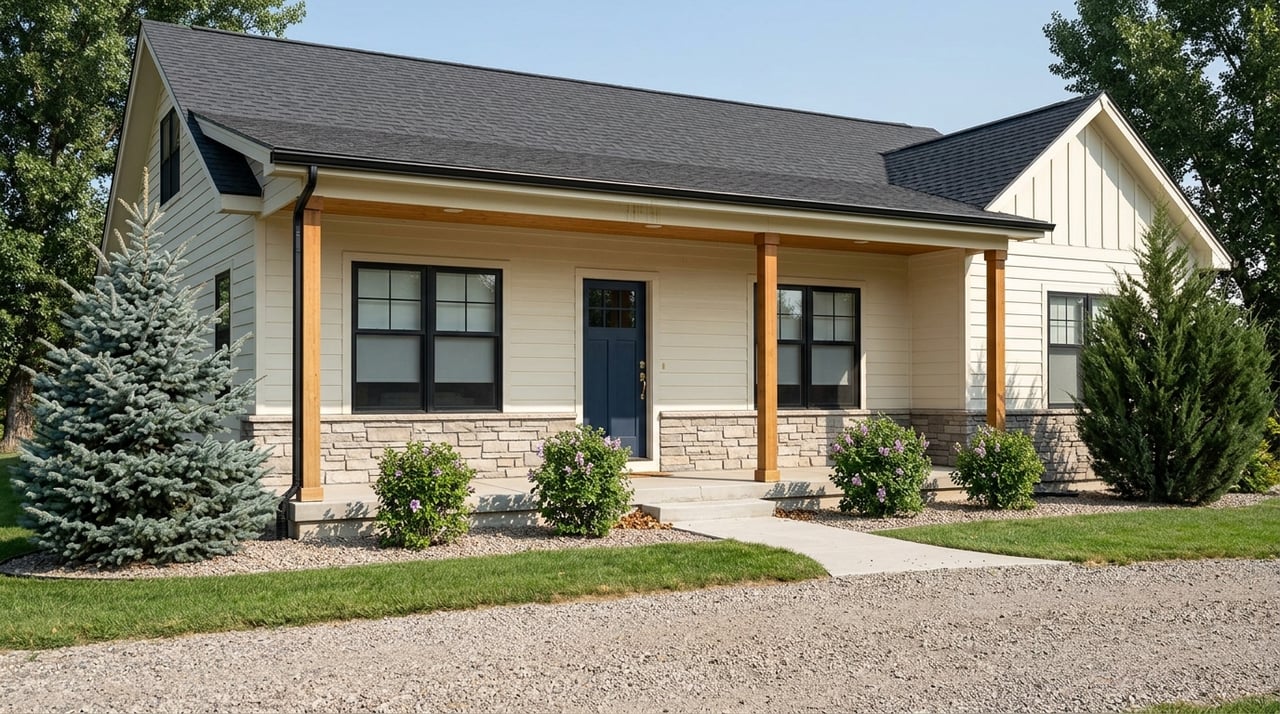
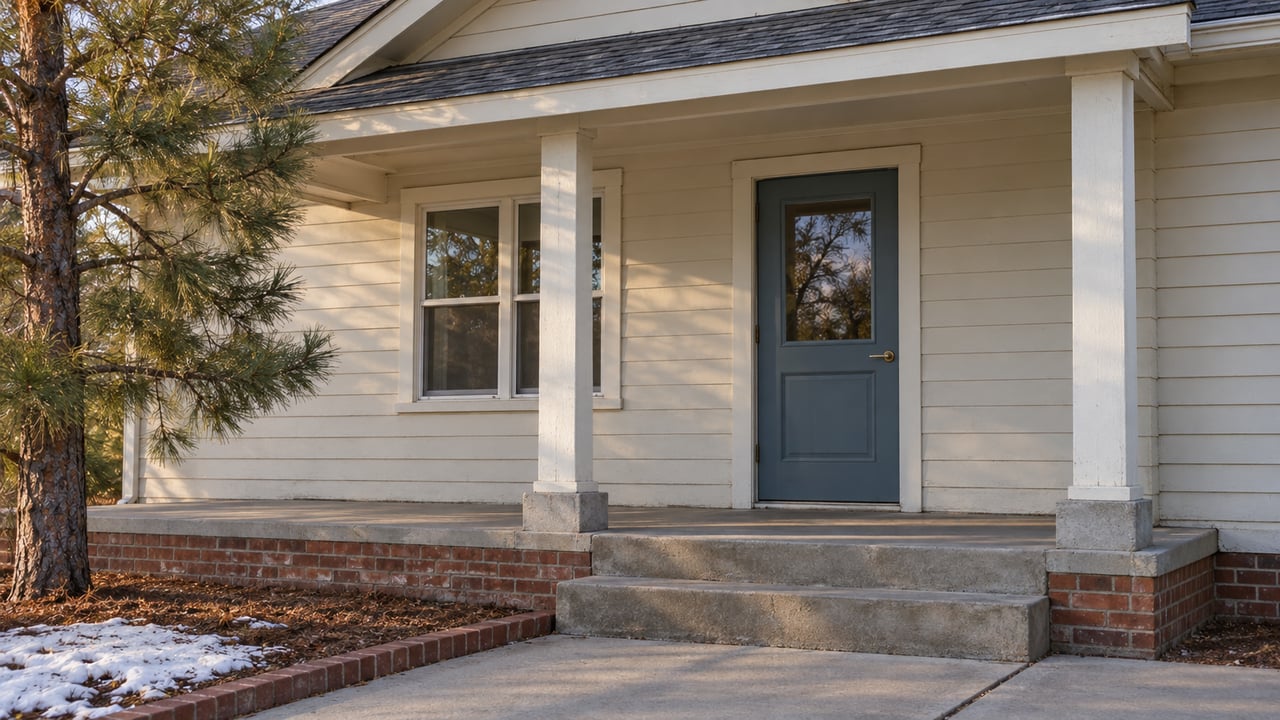
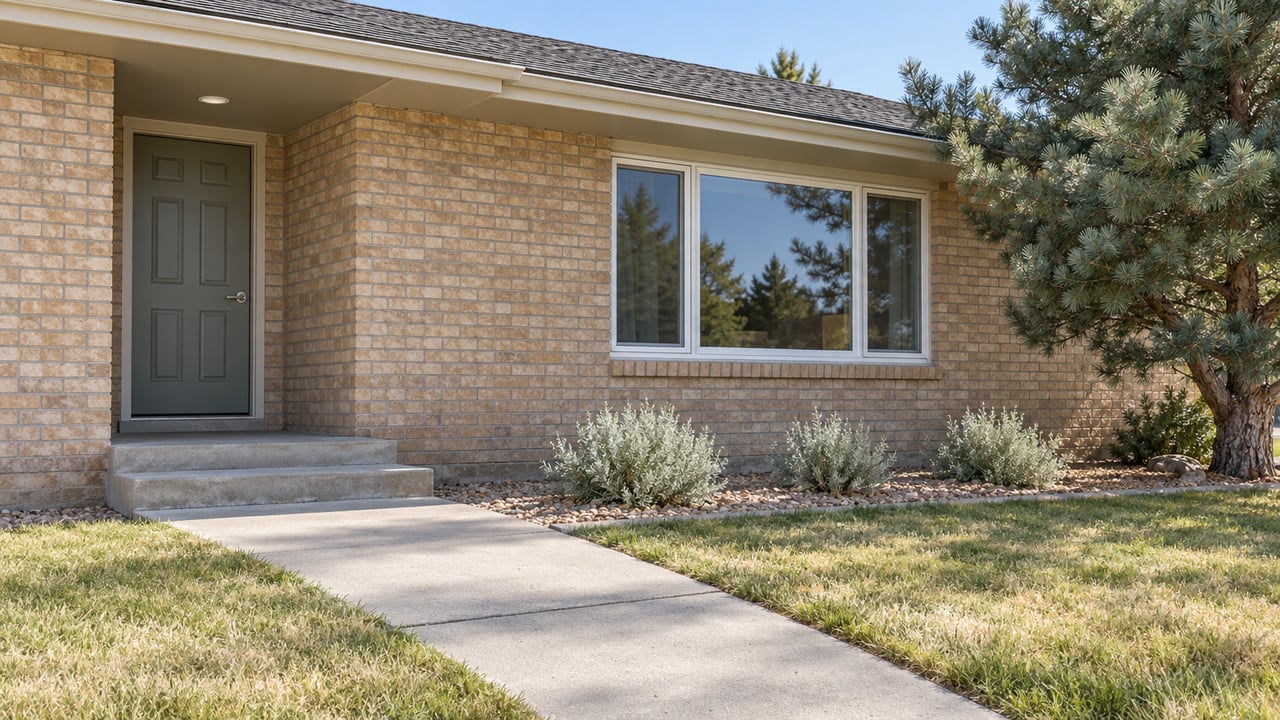
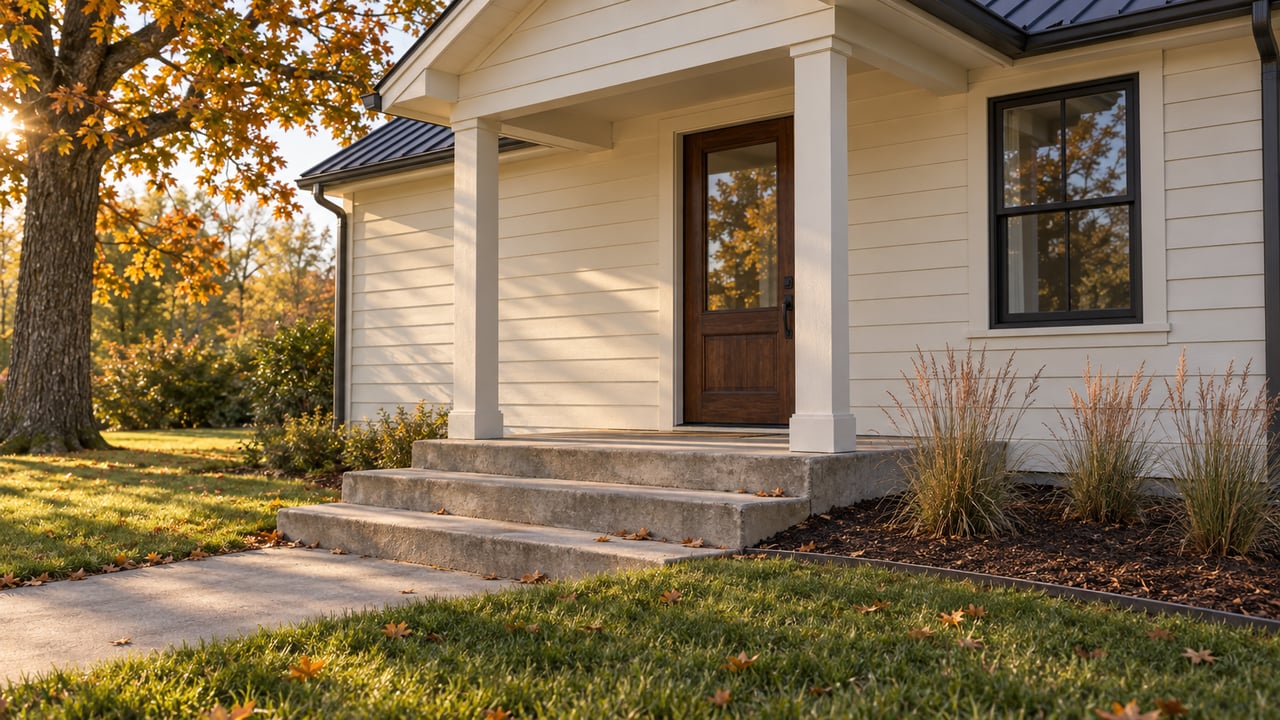
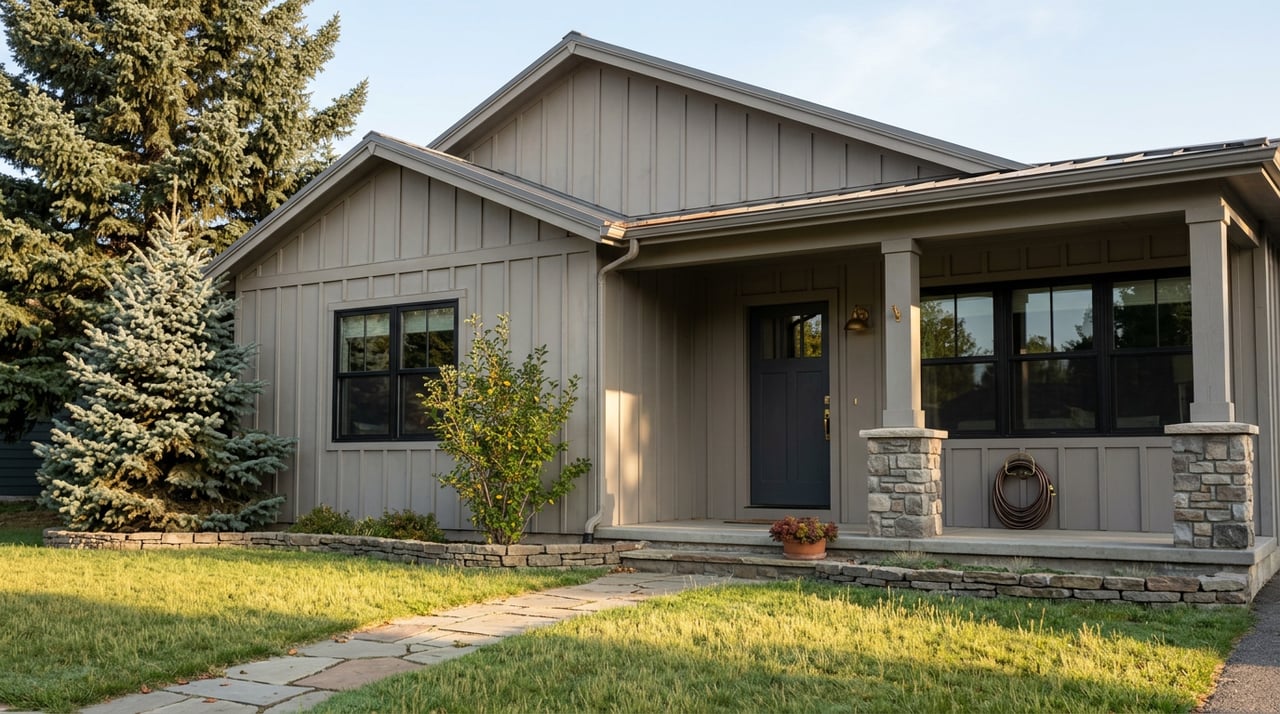
If you are trying to picture yourself living in Laramie County, housing options are a big part of the story. The county offers a mix of property types that can fit different stages of life and different preferences for setting.
Census data report 46,960 housing units countywide, with a 70.8% owner-occupied housing rate. The median owner-occupied home value is $324,900, and the median gross rent is $1,080.
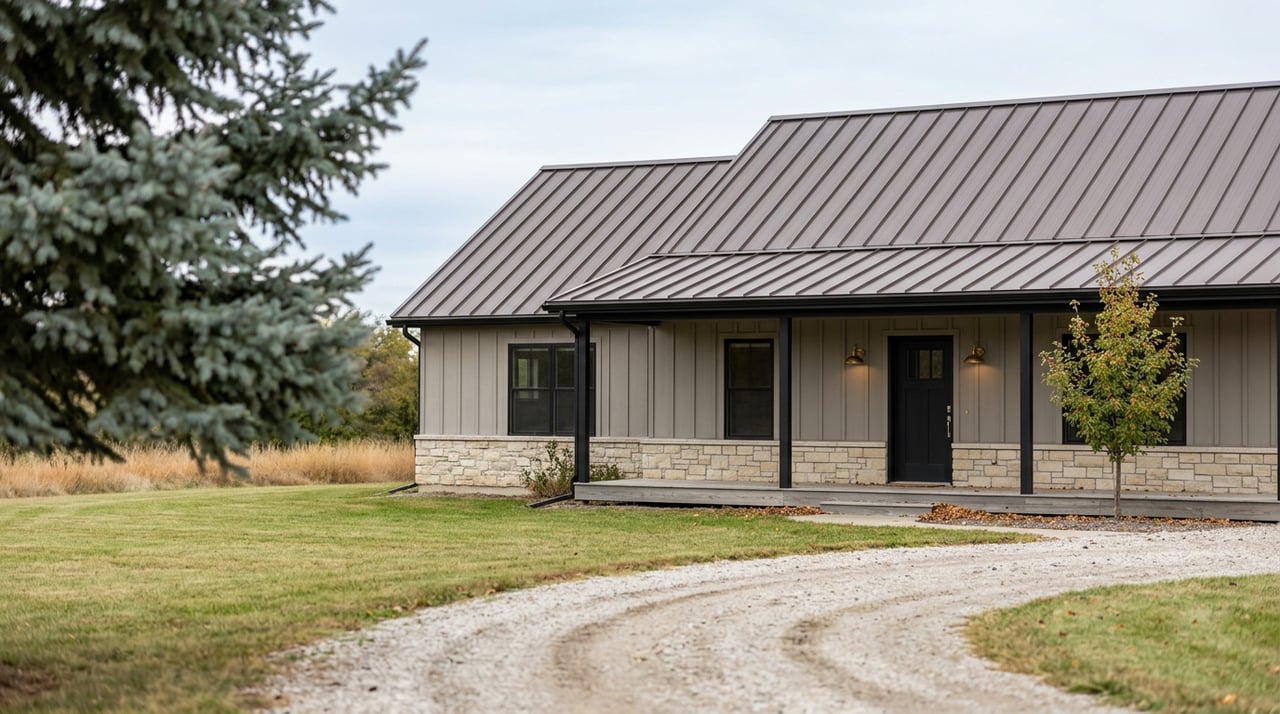
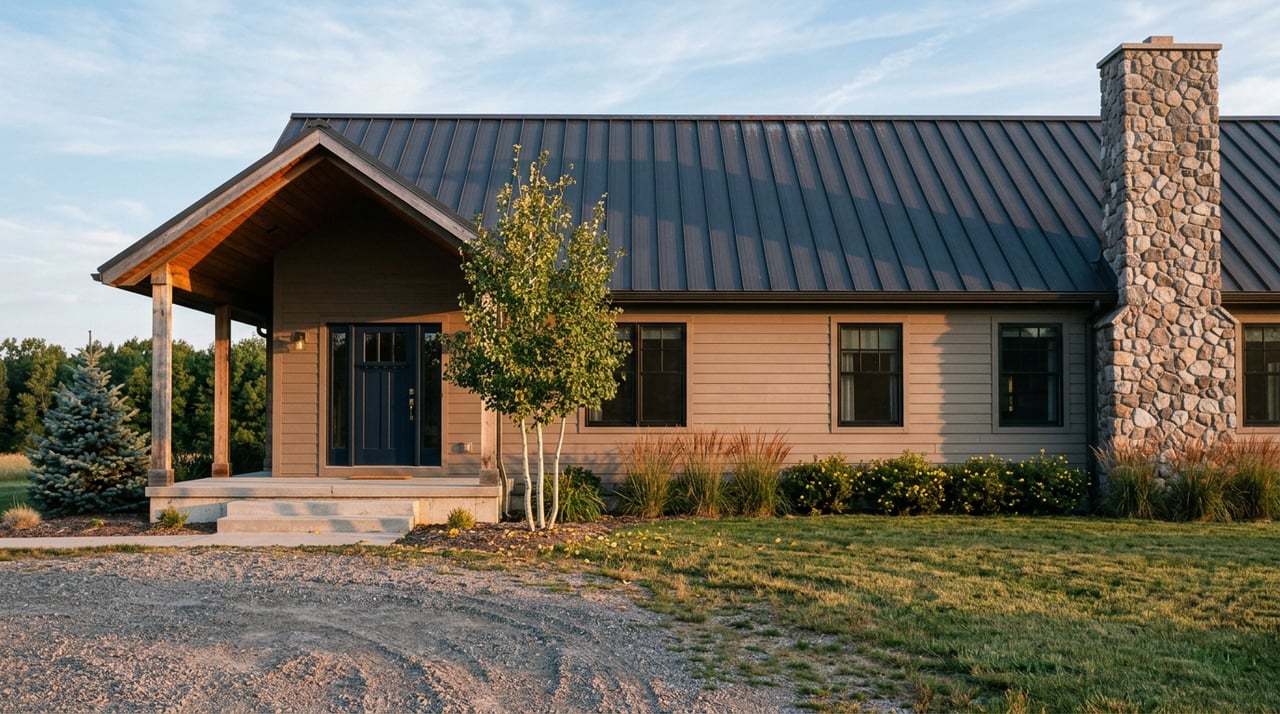
Those numbers help frame the market, but the feel of housing varies based on location. In and around Cheyenne, the mix can be more varied and more compact, while areas outside the city often offer a more spread-out rural-residential feel.
Cheyenne planning documents encourage a variety of housing types and price ranges. The downtown plan references attached single-family units, small apartment and condo buildings, row houses, triplexes and fourplexes, apartments above retail or work space, and standalone apartments.
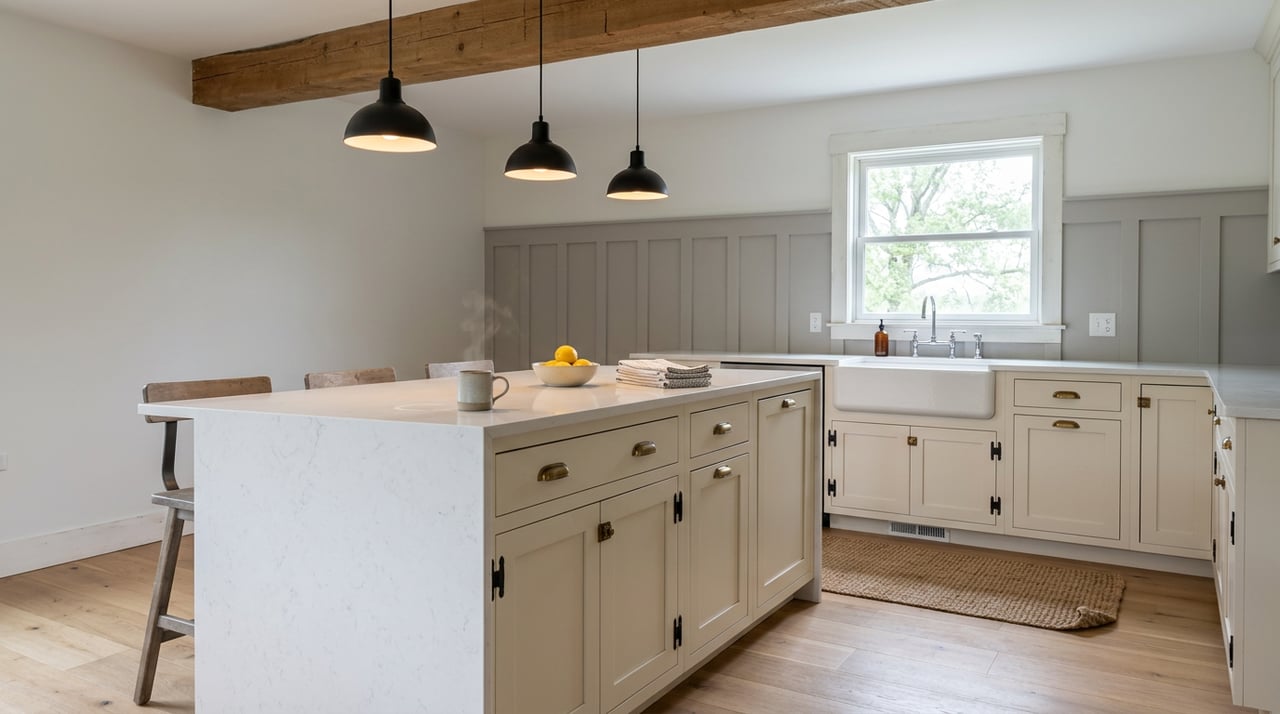
That suggests people looking in the city may find more than one style of living. If you want lower-maintenance living, a more central location, or a different home layout, there may be multiple paths to consider.
Outside the city core, housing often lines up with the county’s more open landscape. For some buyers, that may mean more distance between homes, broader views, and a setting that feels quieter and less built up.
That kind of variety is one reason Laramie County appeals to different kinds of movers. Some people want access to city amenities, while others are drawn to the open character of rural-residential living.
Laramie County can appeal to a wide range of people because it does not force one single lifestyle. Instead, it offers a blend of practicality, tradition, outdoor access, and room to choose your setting.
You may especially appreciate life here if you are looking for:
For out-of-state buyers, that balance can be especially helpful. Laramie County offers a lifestyle that feels grounded and spacious, but it also keeps many practical needs within reach.
In simple terms, life in Laramie County often feels like a blend of convenience and openness. Cheyenne brings services, travel access, events, and recreation, while the rest of the county adds breathing room, agricultural character, and a quieter landscape.
You are not choosing between being fully connected or fully rural. In many cases, you are choosing where on that spectrum you want to live.
That flexibility is a big part of the county’s appeal. Whether you want to be closer to daily amenities or farther out where the pace feels slower, Laramie County offers a lifestyle with both structure and space.
If you are considering a move to Laramie County, working with a local team who understands both the practical side of a move and the feel of the area can make the process much easier. Irene Reese and 307 Realty Professionals offer trusted, relationship-first guidance to help you explore your options with clarity and confidence.
Stay up to date on the latest real estate trends.
With deep local knowledge and a commitment to your goals, we’re ready to help you move forward with clarity and confidence.