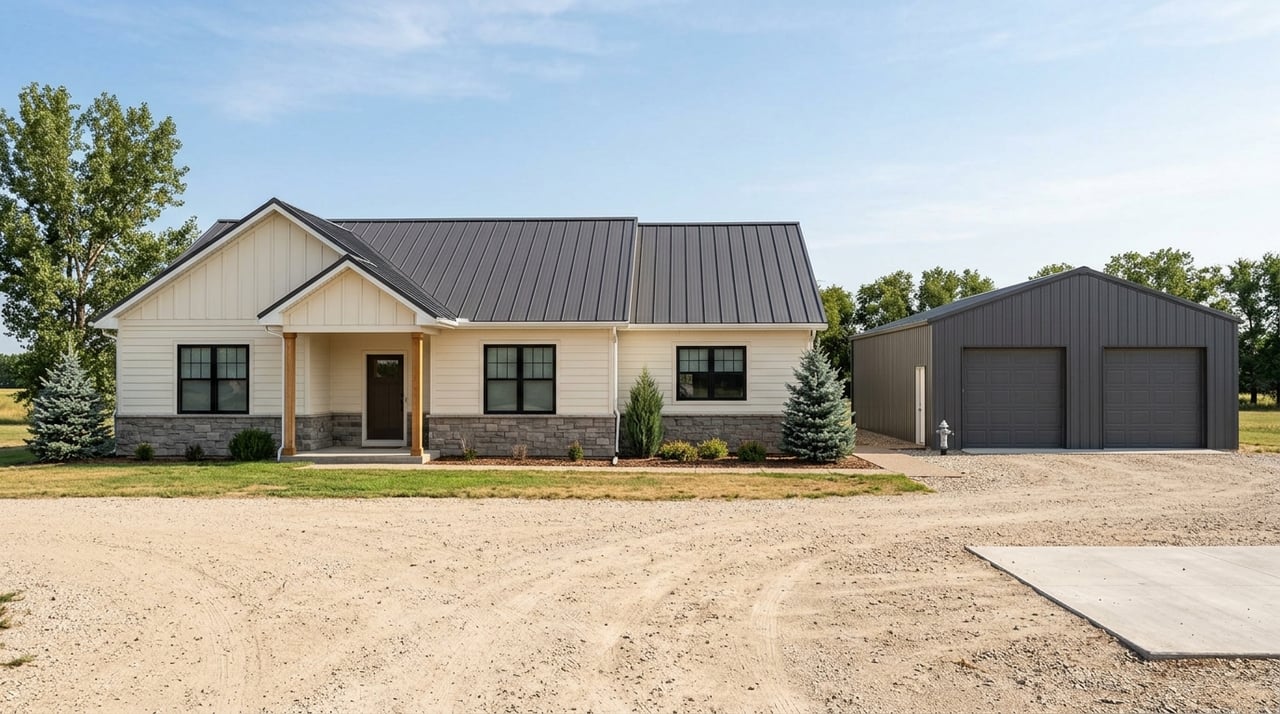
What to Know About Rural Property in Laramie County
June 25, 2026
June 25, 2026
Buying a rural property in Laramie County can feel exciting right up until you realize the house is only part of the story. On acreage, questions about water, septic, road access, zoning, and land use often matter just as much as square footage or finishes. If you are thinking about a small-acreage home, hobby farm, or larger tract, this guide will help you understand what to look for and what to ask before you buy. Let’s dive in.
In Laramie County, rural real estate is not one simple category. County mapping tools identify several rural zoning districts, including A-1 Agricultural and Rural Residential, A-2 Agricultural, and AR Agricultural Residential. The county GIS also tracks parcels, zoning, driveways, private roads, flood hazards, small wastewater systems, water well inspections, and utility service area boundaries.
That matters because a rural purchase is usually about more than the home itself. You also need to understand how the land functions day to day. A beautiful house on acreage can come with added responsibilities that you may not face with an in-town property.
Small-acreage homes often appeal to buyers who want more space without taking on a full agricultural operation. You may be looking for room for a shop, a few animals, a garden, or simply more distance from neighbors. In Laramie County, that lifestyle can be a great fit, but it still comes with land-management questions.
University of Wyoming Extension resources for small-acreage landowners focus on practical topics like fencing, snow control, domestic animals, water, weeds, wildfire, and wildlife. That is a good reminder that even a modest amount of land can require regular planning and upkeep.
Hobby farms sit somewhere between residential use and agricultural use. These properties may include barns, corrals, feed storage, grazing areas, or fenced sections for livestock. If you are considering this type of property, it helps to think beyond the home and picture how the land will actually support your plans.
In Laramie County, zoning districts such as A-1, A-2, and AR can affect what is allowed on the property. Buyers should confirm whether intended uses, outbuildings, and animal-related improvements fit the zoning and any recorded restrictions.
Larger tracts usually bring even more focus to water and land history. On these properties, groundwater, irrigation history, and water rights can carry major importance. Wyoming resources note that water rights are tied to the land they benefit, so this is not an area to guess on.
If you are looking at a larger parcel, it is wise to review the water-right record early. Wyoming’s State Engineer tools allow water-right searches and access to related documents, which can help you better understand what comes with the property.
When you buy rural acreage, you are not just buying a home. You are also taking on the care of open land, which may include fences, weed control, snow management, and wildfire preparedness. Wildlife activity and grazing conditions may also become part of your routine.
That does not mean rural ownership is a bad fit. It simply means you should go in with clear expectations and a realistic view of the property’s upkeep.
Many rural homes rely on private wells rather than public water systems. In that case, the homeowner is responsible for the well. That makes well records, permit history, pump details, and recent water testing especially important during your review process.
Wyoming requires an approved U.W.5 permit before drilling a well or developing a spring for domestic or stock use. The state also requires wells to be drilled by a Wyoming licensed water well drilling contractor, with pumps installed by a licensed pump installer.
Some groundwater users in the Laramie County Control Area must also meter and report production. Because of that, buyers should ask whether the parcel falls under those rules and request any related documentation.
Septic systems are another common part of rural ownership. If the property is not connected to a public sewer system, you will want to know where the septic tank and drainfield are located, when the system was last inspected or pumped, and whether permit or as-built records are available.
Laramie County’s GIS overlay separately maps small wastewater systems and water well inspections. That makes these items worth checking early, especially if you want fewer surprises later in the transaction.
A road may look simple on a map, but rural access can be more complicated. Laramie County transportation data includes separate mapping for driveways, streets, and private roads. The private-road data also includes maintenance and control fields.
In plain terms, that means a road to the property may not be county-maintained. Before closing, it is smart to confirm who handles snow removal, grading, culvert repair, and any access easements.
On acreage, utility access is not always a given. Laramie County’s GIS overlay includes electric, gas, and telephone service area boundaries, which can help you understand what may be available near a property.
Flood hazards also deserve attention. The county’s floodplain mapping notes that rural floodplain boundaries are approximate, so buyers should review that information carefully and evaluate each parcel on its own facts.
A rural purchase often goes more smoothly when you ask detailed questions early. Here are some of the most useful ones to bring up.
If the home uses a private well, ask for:
Private wells are homeowner responsibility, so this is not a detail to leave for later. Annual testing is commonly recommended for items such as total coliform bacteria, nitrates, total dissolved solids, and pH.
If the home uses a septic system, ask:
These records can help you better understand the system’s age, layout, and maintenance history.
You will also want to ask:
Access issues can affect both daily use and long-term value, so it is worth getting clarity before you move forward.
If you want a shop, barn, shed, corrals, or livestock use, ask whether those uses are allowed under the current zoning and any recorded restrictions. The county zoning map and GIS tools can help confirm the property’s district and parcel details.
This is especially important if you plan to make changes after closing. What you hope to do with the property should match what the property actually allows.
Recorded restrictions can shape how you use rural acreage. Ask whether the property is subject to CC&Rs, deed restrictions, or title exceptions that affect access, structures, or land use.
A title commitment can help identify the property interest being conveyed, any parties with interests in the land, and issues that need to be resolved before closing.
You should also confirm:
Laramie County’s mapping portal includes tools for nearest fire stations, floodplain review, roads, zoning, and tax districts, which makes it a strong starting point for rural due diligence.
One of the best first steps for rural buying in Laramie County is reviewing the county GIS portal. It brings together road data, zoning, floodplain information, tax districts, public-safety routing, nearest-fire-station tools, parcel boundaries, private roads, utility service areas, and environmental-health layers tied to wells and wastewater systems.
This kind of local information helps you move past assumptions. Instead of relying on appearances alone, you can start verifying how the property is set up and what extra questions you should ask.
Rural property usually benefits from more than a standard walkthrough and a quick decision. Land, water, septic, access, and title questions can each need their own review. Depending on the property, buyers may benefit from help from a title company, surveyor, or licensed well-related professional.
That does not mean every rural purchase is complicated. It means the smartest approach is a careful one, especially when acreage, private infrastructure, or land-use goals are part of the picture.
When you have a local real estate guide who understands the practical side of rural property, the process can feel much more manageable. You can focus on asking the right questions, reviewing the right records, and moving forward with more confidence.
If you are exploring rural homes or acreage in Laramie County, Irene Reese can help you sort through the details with practical, local guidance every step of the way.
Stay up to date on the latest real estate trends.


With deep local knowledge and a commitment to your goals, we’re ready to help you move forward with clarity and confidence.