Laramie County Property Tax Cap: What Homebuyers Need to Know
August 27, 2026
August 27, 2026
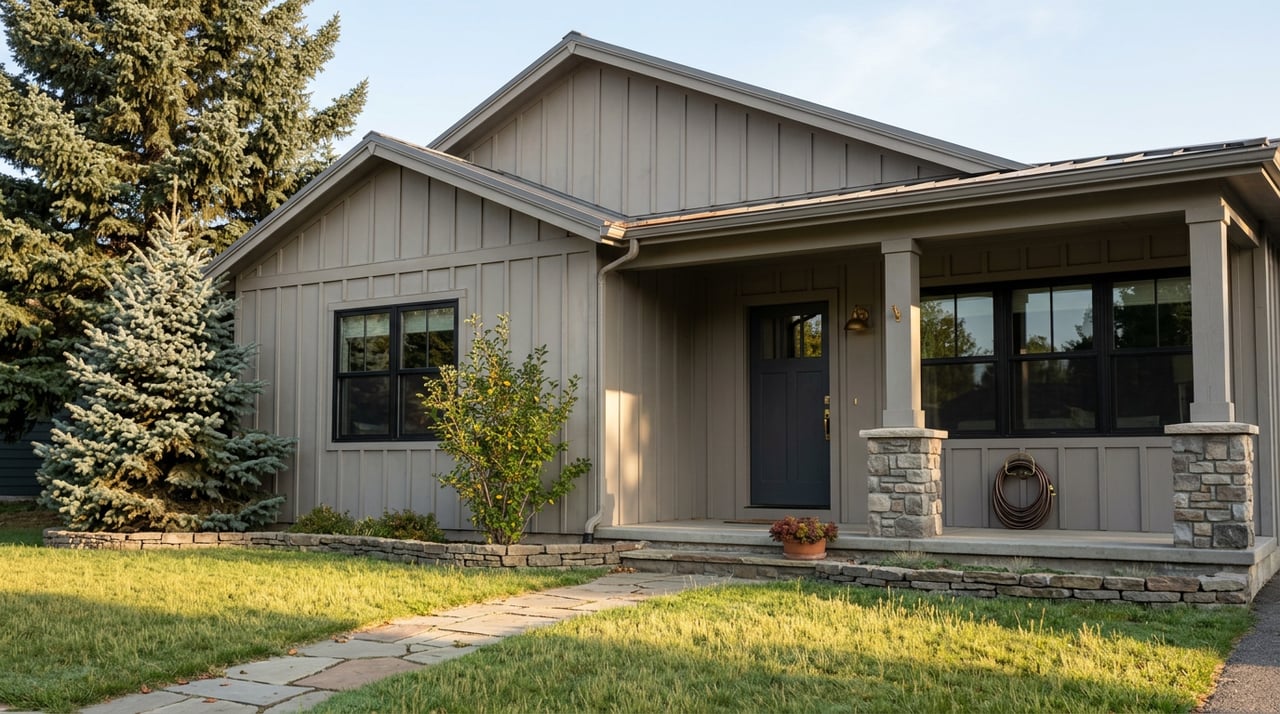
Picture two homes on the same Cheyenne block. Same builder, same year, same square footage, listed within a few thousand dollars of each other. Any buyer would assume the property tax bill lands in roughly the same place too. Right now in Laramie County, that assumption can be wrong by more than a thousand dollars a year, and the reason has nothing to do with either house's condition or curb appeal. It has to do with a state law that is currently being fought over in the same courthouse where Laramie County residents get married and settle traffic tickets.
Understanding this before you write an offer is the difference between budgeting accurately and getting a surprise the first time a tax bill arrives.
Wyoming taxes residential property at 9.5 percent of its fair market value, then applies the local mill levy set by your school district, county, and city or town to that assessed figure. Residential real estate became its own separate class of property after Wyoming voters approved a constitutional amendment in 2024, which gave lawmakers room to treat owner-occupied homes differently from land, minerals, or commercial property.
One of the first things lawmakers did with that new flexibility was pass a law limiting how fast a home's taxable value can climb each year, capping annual increases at 4 percent regardless of how quickly the actual market value is rising. The idea was straightforward: protect longtime homeowners from a tax bill that outpaces their income just because the neighborhood got hot.
The mechanics of that protection are where things get complicated for anyone shopping for a home today.
A home's capped taxable value only keeps climbing 4 percent a year if nothing resets it. Wyoming's State Board of Equalization spent months studying what that produces across the state and released a report in June 2026 describing widespread "value inversions," meaning cases where a home worth more on the open market ends up with a lower taxable value, and therefore a smaller tax bill, than a less valuable home nearby. The board specifically called out one clear trigger: homeowners who expand a home's footprint lose the cap and get reassessed to full value that year, while homeowners who remodel only the interior keep their suppressed number intact.
In practice, that means a home that has sat untouched for a few years under the cap can be running well behind current market value for tax purposes, while a similar home next door that added a garage or a bedroom two years ago is already caught up to today's prices. Two houses, same price tag, same street, genuinely different ongoing cost of ownership. The board's report described the resulting disparities as arbitrary rather than tied to anything a buyer could see by walking through the house.
Laramie County's own tax data shows just how wide that spread already runs. Homes near the middle of the market carry an annual bill in the neighborhood of two thousand dollars, but the 25th percentile bill sits closer to fourteen hundred dollars while the 90th percentile climbs past thirty-seven hundred, even though the median home price across the county is a little over $316,000 as of 2026. That is not simply a story about bigger houses paying more. It is a story about which homes have been shielded by the cap and which have not.
The spread shows up even within Cheyenne itself. Homeowners in the 82007 ZIP code carry a median effective tax rate of 0.67 percent, while those a few miles away in 82009 pay 0.62 percent, a gap driven by overlapping school district and special assessment boundaries rather than anything about the homes themselves. Add a cap that behaves differently depending on renovation history, and the honest answer to "what will I pay in property tax" becomes specific to the parcel, not the price range.
This is not a settled policy. It is an active legal dispute, and it is being argued in Laramie County District Court in front of Judge Nathaniel Hibben.
The State Board of Equalization concluded in its June 2026 report that the 4 percent cap violates the Wyoming Constitution's requirement that property be taxed uniformly within each class, and said it could not in good conscience certify residential assessments while the cap remained in effect. Governor Mark Gordon sued the board over that refusal, arguing the executive branch, not an appointed board, gets to decide what is constitutional. A district court sided with Gordon and ordered the board to certify values anyway. The board countersued, asking the same court to strike the cap down outright.
To keep the tax system functioning while the underlying question gets sorted out, the governor's office and the board agreed to a stipulation, approved by Judge Hibben on July 2, 2026, that keeps the cap in place through this year's certification while the case proceeds toward a ruling on the merits. Counties met their early August certification deadline under that order. Whichever way the district court eventually rules, both sides expect the case to be appealed to the Wyoming Supreme Court, which means the cap's long-term future is still genuinely unresolved.
If the cap is eventually struck down, homes that have been coasting on a suppressed taxable value could see that gap close quickly, catching up to full market value in a way that raises future bills for whoever owns the property at the time.
Wyoming voters will also weigh in directly this fall. A citizen-led initiative that gathered enough signatures to qualify will appear on the November 3, 2026 general election ballot, asking voters to approve a 50 percent property tax exemption on a primary residence for anyone who has lived in Wyoming for at least a year. That measure is separate from the cap currently in court, but it would layer another significant relief mechanism on top of a system that is already producing uneven results county by county. Buyers closing on a home this fall should know that both the cap's legal status and this ballot measure could shift the picture again within the next several months.
A listing price tells you what a home is worth. It does not tell you what it will cost you to own. Before you factor a tax estimate into your monthly budget, a few questions are worth asking directly:
None of this should scare anyone away from buying in Laramie County. It should make you a sharper comparison shopper. Two homes at the same price are not automatically the same purchase once you account for what each one will actually cost you to hold onto.
Will my tax bill definitely go up if I buy a home that's been under the cap for years? Not immediately. Wyoming law assesses property to whoever owns it as of January 1 each year, so your first bill reflects the value on record at that time. The bigger question is how the pending litigation resolves, since a court ruling against the cap could accelerate future increases regardless of who owns the home.
Does the November ballot measure replace the 4 percent cap? No. The two are separate. The cap limits annual increases in taxable value and is currently in court. The ballot initiative would create an additional 50 percent exemption on primary residences. Voters could approve one, both, or neither this November, and the two adjust independently.
Should I wait to buy until the litigation is settled? That is a personal call, and this piece is not tax or legal advice. What we can tell you is what the current numbers show and what to ask before you sign anything, so you are budgeting with real figures instead of assumptions.
If you are comparing homes in Laramie County and want a clear read on what a specific property's tax history actually looks like before you make an offer, 307 Realty Professionals can walk through the assessor's records with you. Get a free home valuation and a straight answer about what a property will really cost to own, not just what it lists for.
Stay up to date on the latest real estate trends.
With deep local knowledge and a commitment to your goals, we’re ready to help you move forward with clarity and confidence.